


 Dec 01, 2025
 3 min read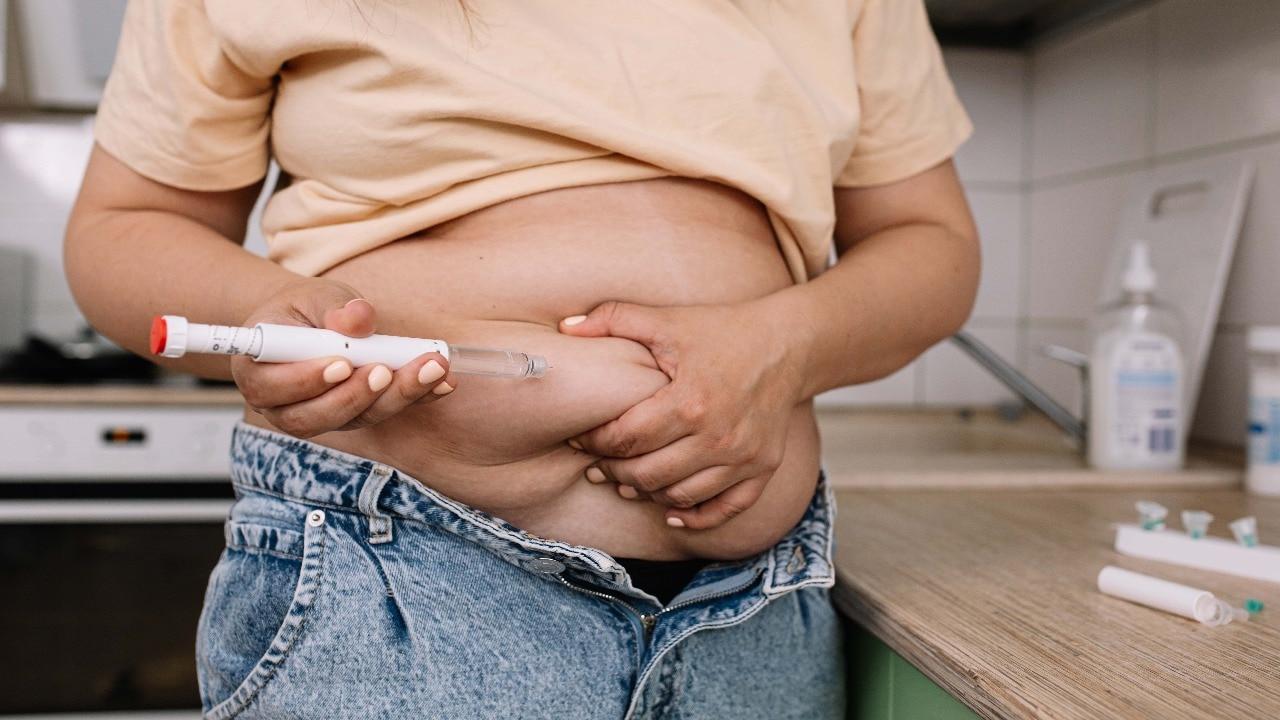
Weight-loss drugs won't eradicate obesity, but they could transform health in India
A new generation of obesity drugs could reshape India's metabolic future.
About 25.4 Crore Islands-about 29 percent of the population-live with obesity, while 40 percent of the country, meets the obesity criteria for obesity.
These staggering numbers underscore the scale of the disease, which is now officially recognized as an epidemic by the World Health Organization.
It's not just the best;Were withdrawal with 230s, with Crifales, the illness, and alzheian, and alzheian, which is blind alzheian, and other blustian, which are alZheian, were born, and alzhelian group, are leaders.Alzheian, and alzheian blind, and alzheian blind, and alzheian, and alzheian blind, and alzheian blind, and alzheian blinds, and alzheianAlzheian, and alzheian blind and alzheian blind, and alzheian blind and alzheian blind. Alzheenian
The rapid arrival of the next generation of weight loss drugs in India is beginning to replicate the trend of these diseases.
This year, injectable Semaglutide, sold as Wegovy by Novo Nordisk, and Tirzepatid, marketed as Mounjaro by Eli Lilly, entered the Indian market and quickly became among the most popular treatments in the country.
The drug-1 class of drugs, which reduces the action of the glucagon hormone - 1 to control blood sugar, prevents dehydration.Although originally developed for Type 2 diabetes, these drugs have become more widely used, a move driven by their broad metabolic benefits.
Experts emphasize that while these drugs may not completely eliminate obesity due to its complex genetic, behavioral and environmental causes, they have the potential to reduce the severity and progression of diseases associated with excessive obesity.
Their drug is already purinic which is also forced to obesity so that obesity can be explained and treated.
A new understanding of obesity
Earlier this year, the Obesity Commission of India released updated guidelines that expand the definition of obesity beyond the traditional body mass index (BMI).
The revised framework includes measures of waist circumference, waist-to-height ratio, comorbidities and daily activity limitations – consistent with the 2023 Lancet Commission report on obesity, which advocated for a more concise, physiology-based approach.
Indian guidelines classify obesity into two levels.
Stage 1 includes people with a BMI of more than 23 kg/m2 and whose obesity has increased without obvious effects on organ function or daily activities.Stage 2 describes a more advanced condition characterized by both generalized and abdominal fat accumulation, which impairs physical and organ functions, limits daily activities, and contributes to comorbidities.
This stage requires a BMI greater than 23 kg/m together with a high waist circumference or a high waist-to-height ratio, plus at least one symptom of obesity-related functional limitation or disease.
According to Dr. Anup Misra, senior endocrinologist and lead author of the new guidelines, the combined presence of these indicators correlates with significantly worse health outcomes.
Such findings, he explained, support early and aggressive interventions, including the use of modern obesity drugs that can target metabolic rates alone.
How new therapies can change the burden of disease
For decades, obesity management in India has largely focused on lifestyle modification—an often misunderstood approach, especially for people with metabolic syndrome.
GLP-1 DOUBLE ARAPIES by redefining obesity as a medical condition, much like hypertension or diabetes, that requires long-term rather than short-term treatment.
Sukhvinder Singh Saggu, director of minimal access, gastrointestinal and bariatric surgery at CK Birla Hospital in Delhi, believes these drugs will fundamentally change the perception and treatment of obesity in the next 10 to 20 years.
It is done by preventing their outstanding effects: by maintaining and improving weight, these treatments can reduce the onset of diabetes 2, heart disease, and heart disease, and cancer.
This change can move the health of the health away from the cheap old-style ideas and like metabolic care.
From stigma to chronic disease management
Other doctors predict more social and medical changes.Dr. Monika Sharma, senior consultant endocrinologist at Aakash Healthcare, notes that while these drugs may not "cure" obesity, they have long-term value in delaying or preventing metabolic disease in people at risk.
Cardiometric health at the level of availability can reduce medical costs and lead to healthier, longer lives.
Dr. Sharma also emphasizes that the growing acceptance of medical treatment for obesity can help destigmatize the disease.As the biological mechanisms become better understood, more people can seek care without fear of judgment.
This view is echoed by Mumbai-based diabetes expert Dr., who envisions a shift from viewing obesity as a moral failing to recognizing it as a biological disorder requiring medical intervention.He is also supported by Rajeev Kovil.
He added that early intervention - especially among young Indians, who are particularly affected by non-communicable diseases - could reduce the incidence of diabetes, pre-diabetes and other metabolic conditions in the coming decades.
In a country where obesity is growing at an unprecedented rate, weight loss drugs alone will not solve the crisis.But experts agree they could change the trajectory of India's disease burden, ushering in an era in which prevention and early treatment will reshape the nation's long-term health.