

 Dec 06, 2025
 3 min read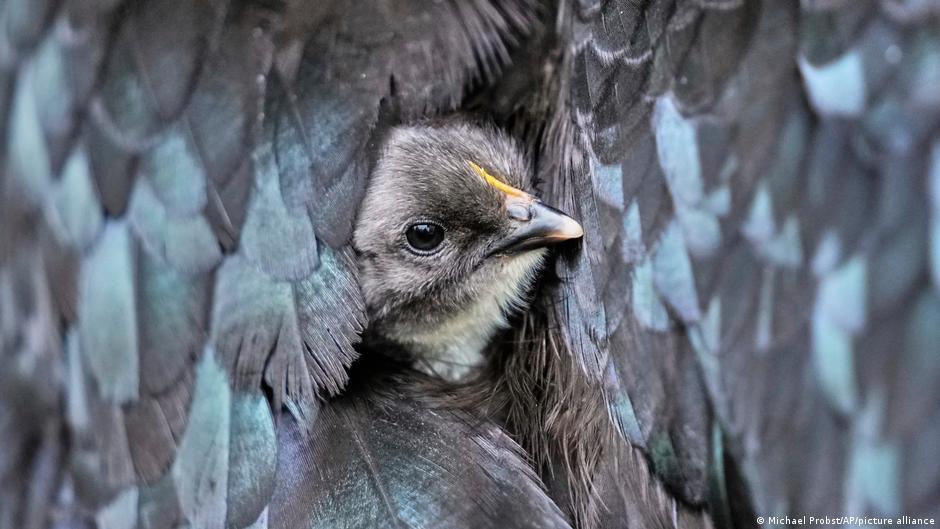
Authorities say bird flu currently poses a low risk to humans, but it is wreaking havoc on animals, both wild and domestic, worldwide.If left unchecked, it could also turn into something much worse for humans.
The virus has killed nearly 9 million birds.
December 1, 2025 Despite the death of one person in the US linked to bird flu, the risk of another human pandemic remains low for now, according to experts and public health agencies.
The person who died in November 2025 was the first human case in the United States since January.He does not appear to have passed the disease on to anyone else, which experts say keeps the risk of new human outbreaks low.The same goes for other cases of human bird flu in 2025.
But for the animals, the disease was devastating.
"It's not just an impact on the poultry sector or wild birds," Gregorio Torres, head of science at the World Organization for Animal Health (WOAH), told DW.
Data compiled show that nearly nine million chickens have been killed worldwide since October, mostly in the United States, Canada and Germany, as both North America and Europe face outbreaks in farms and forests.
And the effect is more pronounced than the birds.The current wave, mostly of the H5n1 strain, has seen infected animals, pigs, cats and dogs and mammals.
Avian influenza: morbidity and mortality
Infectious diseases - Hpai - refers to those avian viruses that cause serious diseases in poultry.
Although the virus is based on the number of chickens, ducks, turkeys and other livestock animals, informative diseases usually exist for wild birds: illness and death.
Woah, the government responsible for the coordination and control of animal health in the world, the virus - this virus - in particular the H5N1 bird, which causes infection in many species of animals, constitutes a serious threat to biodiversity.
Managing the spread of disease is a difficult task.Cooperation between the animal control, such as the feathered flower, animal scientists and zoologists and footballers is considered important to control the spread.
So far low risk to humans, high impact on animals
HPAI has been detected on every continent by 2025, both on land and in the oceans.
The scale was raised on November 25 when Australian authorities confirmed that bird flu had reached the remote Indian Ocean sub-Antarctic Heard Island - about 4,300 kilometers (2,600 miles) southwest of the mainland - where it had infected elephant seals.
Avian flu has previously caused widespread death in similar populations along the coast of South America. Researchers have also found the infection in dolphins.
But the bird flu continues to affect the agricultural sector the most.
In the fall of 2025, German poultry farmers faced an early arrival of the bird flu season, when the disease was first spread by migrating cranes from Sweden. This resulted in the elimination of more than a million poultry in Germany.
Migratory birds are the main reason why bird flu spreads across continents.
As they flee the Northern Hemisphere as winter approaches, these birds stop near wetlands to rest and recuperate.These stopovers can bring them into contact with local bird populations.
Mutations simplify the content of avian influenza
If infected with HPAI, there is a high probability that migratory birds will transmit the pathogen to other wild or farmed birds, setting off chain reactions of transmission.Recent research shows that mutations in the 2.3.4.4b class of H5N1 have facilitated the infection of all wild birds.
That means that if the disease is carried by local people, swans or resident geese can bring it into the region, where it can continue to spread to migratory birds.
Part of the solution is "Strong Biodiversity Measures," he said, which means governments will implement strict protocols to reduce agricultural land use.
A strong tension is needed in expression, says the University of Georgia of the US Economist and the Evolution of Organisms It is necessary to Reduce the Effect of Evolution and Evolution Bioloy.
"As long as we maintain biosecurity and remain vigilant, I think we're in a good position right now," Barr told DW. "Loose biosecurity is probably the bigger risk."
Controlling the spread of the virus between animals reduces the risk of the worst-case scenario — a mutation that makes it easier for the virus to spread and potentially between humans.
Amira Gors, a global health epidemiologist at George Mason in the United States, agrees. Ross said that effective diagnosis and detection of the disease is helpful in preventing avian influenza from spreading in wild birds while reducing the risk of the virus easily spreading to humans.
“When we see an increase in influenza deaths in poultry or wild birds, we need to pay attention and implement strong surveillance so we can detect important mutations if they emerge,” Ross said by email.“The fact that we have not seen any serious cases in humans indicates that the circulating strains do not pose a significant threat to human health so far.”
The experts for this article also emphasized the importance of cooperation between countries, because wild birds do not recognize borders and, as the covid-19 pandemic has shown, neither do viruses.
"It's a global problem," Hearst said.We need to be open and transparent and share information for the benefit of everyone, including human and animal health."
Editor: Zulfikar Abbyy