


 Dec 14, 2025
 3 min read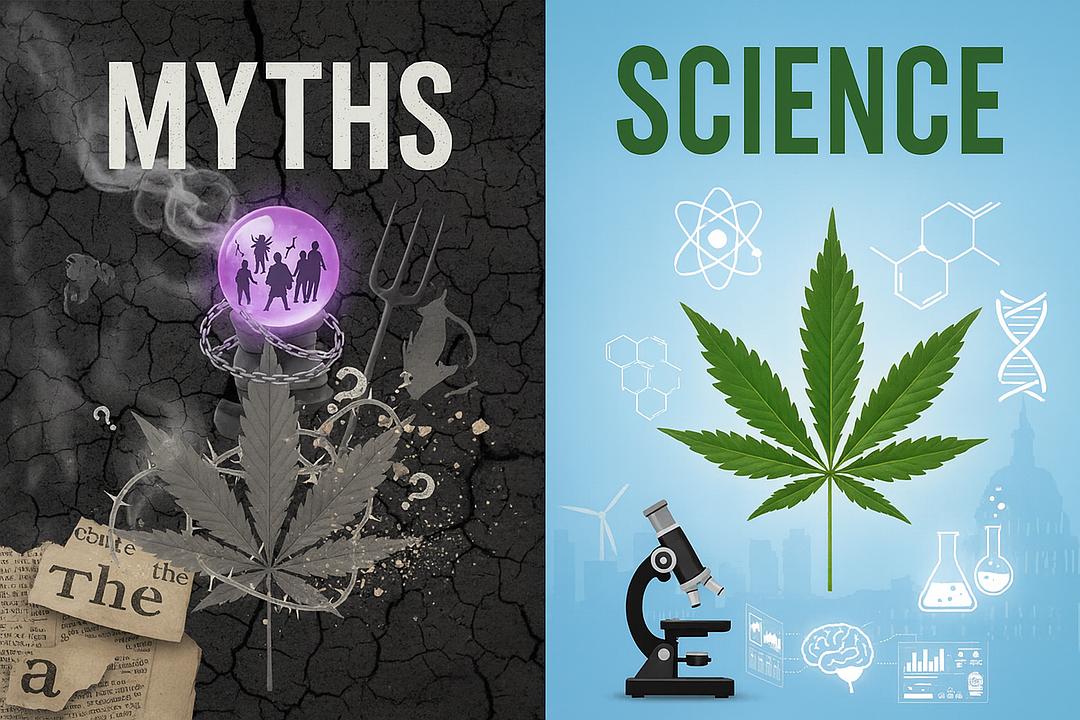
Medical cannabis is increasingly recognized as a treatment option in many states, including New Jersey, but some claims still circulate that are inconsistent with current medical research.
Medical cannabis is increasingly being recognized as a treatment option in many states, including New Jersey, although many of the claims are not yet supported by current medical research.Although medical cannabis offers a therapeutic option for many patients, misunderstandings and bad beliefs continue to cause confusion.Despite growing acceptance and research, many people still have questions about its use, benefits, and risks.
This article explains five common myths today and explains what current science actually says about each.
Some believe that medical cannabis is not backed by serious research.Federal regulations have certainly limited research for years, but important scientific reviews now show clear medical value.
One of the most important reports comes from the National Academies of Sciences, Engineering and Medicine.Reverfer 2017 finds what they call “olectic or large” evidence that “cyabinoids may help chronic transmission in adults and the brain has receded.
There is also FDA approved evidence.The FDA has approved Epiriolex, a discontinued drug for the treatment of childhood anxiety disorders and Lennox-grataut syndrome.Clinical studies show a clear decrease in frequency.
Concerns about addiction are often raised when patients talk about cannabis treatment.The National Center on Drug Abuse points out that cannabis use disease can affect, but affects a small proportion of users compared to things like nicotine, alcohol or prescription drugs.Nida estimates that about 9 percent of cannabis users may develop the disorder, while treatment rates for nicotine, alcohol, and prescription drugs are very high.
Most cases of cannabis use disorder come from long-term or heavy recreational use, especially of products with high THC levels.For New Jersey residents, medical cannabis programs follow structured protocols.These include physician evaluations, controlled dosages, controlled product strengths, and ongoing monitoring.These measures reduce the risk of abuse and help separate medical use from recreational habits.
Pain is one of the main reasons for seeking medicinal weed, but it is not the only reason.Evidence suggests that cannabinoids are helpful for some patients with cancer, cancer, and symptoms of post-traumatic stress disorder.
The National Academy report failed to identify many areas where the therapeutic use of cannabis is already supported by evidence. Ongoing research continues to expand on these findings. The 2025 study also found support for the use of cannabis in developing appetite, controlling MS symptoms and reducing seizures.
Some people believe that medical marijuana is dangerous because of its illegal use.According to recent studies, cannabis can provide significant benefits when used medically and many people can experience relief from symptoms associated with health conditions.Like many treatments, medical cannabis can have side effects that depend on the patient, dose, and type of product.The National Academy of Sciences reviewed hundreds of studies and identified several potential side effects, including dizziness, fatigue, changes in alertness, slowed reaction time and increased risk for impaired driving.
This effect does not mean that medical cannabis is not safe.They point out that it can be used like many pharmaceutical drugs, with side effects if used correctly.In the new gene, patients must communicate with cocaine as part of the process of obtaining the edge of the new cannabis in MCISIS.This ensures that a trained clinician can guide the dosage, commission, and assist in the critical process, helping to reduce the risk of outcomes.
For years, there have been unsubstantiated claims that marijuana makes people more automatically addicted to the drug.It has been said over and over again.But federal research doesn't support that theory.
According to the National Institute on Drug Abuse, the majority of people who use gannabis do not use strong drugs.What studies show that human nature, early exposure to stress, and access to other drugs have more powerful factors in reducing powerful substances.
NIDA explains that some people who use multiple drugs may start with alcohol, tobacco, or marijuana, but these patterns reflect persistence and social factors, not drug-to-drug progression.
In addition to the following sentences, Cannis has not been reported to her to guide the use of things as cocaine and a heroin and a heroin.The company's groups is not relating to groups with medicine programs of medicine in medicine in use of a hard medication.
Understanding the facts about medical marijuana becomes easier when common myths are separated from real scientific evidence.Each of the misconceptions discussed in this article explains how outdated beliefs can make people unsure or doubtful.By looking at what the research actually says, it becomes clearer how medical marijuana works, what it can help, and where its limitations lie.The goal of dispelling these myths is to provide you with clear and honest information so you can view cannabis with an accurate and balanced understanding.