

 Dec 08, 2025
 3 min read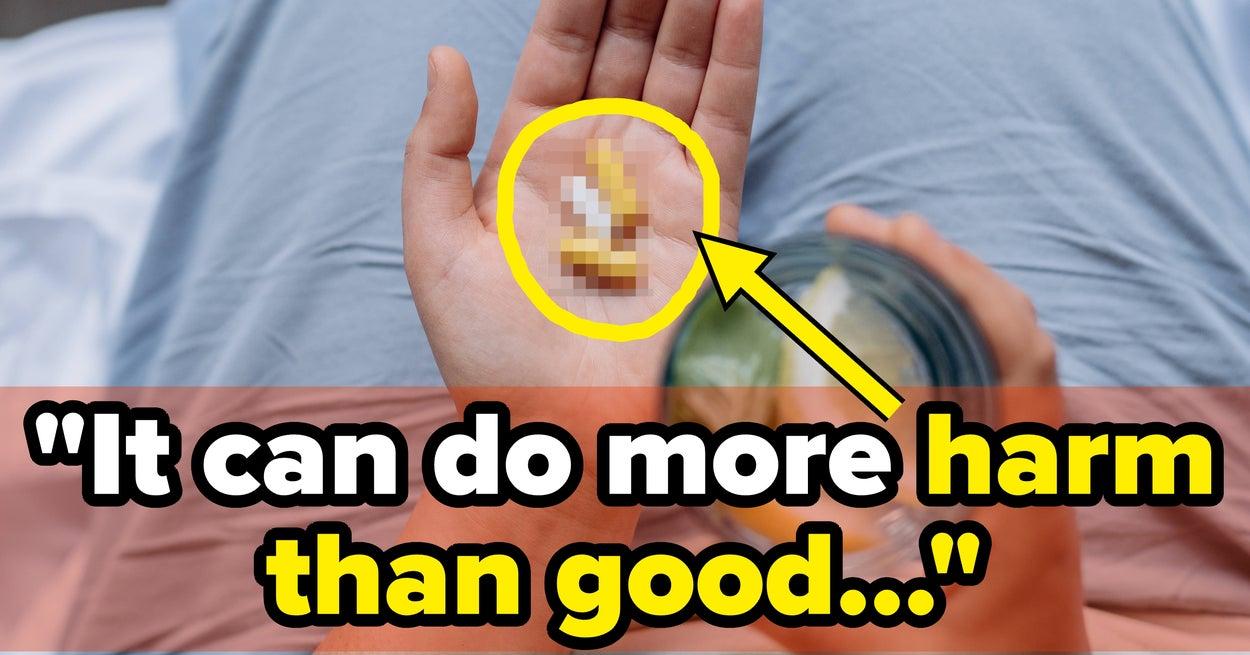
Social media is in full swing right now
Whether you're thinking about New Year's resolutions or just hoping to make some healthy changes in general, you may find yourself online looking for healthy habits.
For better or worse, there is no doubt that you will find others.In the middle of Instagram, Taktok and "Real People" doctors share their experiences, pills, and their interest in the world.
Since "health" advice is common, often comes with an ulterior motive, and is found on the Internet (where, if it's true, you can't always believe it), it's important to be able to perceive healthy attitudes toward stories in an effort to share opinions.Additionally, and unfortunately, many of the health behaviors you've heard about recently are on the "bad" side, according to experts contacted by HuffPost.
Previously, various forms of doctors, therapists, therapists, therapists and other experts included in the common advice, which is healthy, but not really.
1. Eat only when you are hungry.
This is especially relevant in the GLP-1 era.
"Many factors affect hunger and fullness: mood, anxiety, medications and more," says registered dietitian Nikki Fata.
Also, it is important to know what you eat during lunch.Maybe you eat before, even if you are not hungry, your body has nutrients.Otherwise, says Fada, you will experience levels of energy, fatigue, planning, attraction and stomach pain.
She recommends eating every two to three hours with regular meals and snacks."Your body needs nourishment whether you feel hunger pangs or not."
2. Having a "no day" mentality.
Although this fitness phrase may sound inspiring, it does real damageAt first, it makes rest—which your body needs—seem bad and embarrassing
"Exceed your limits. Pushing yourself will lead to injuries that require rest," says Melodie Simmons, who is equipped with licensed relaxation techniques and clinical coaches for licensed relaxation therapy.
There is also the fact that muscles need rest to repair and grow.Rest days help build muscle.
"The support system includes relaxation, community and self-love," Simmons continued."Choose to move because you feel good instead of guilty."
3. Use honey as a pollen treatment.
While browsing TikTok, you might find people who say that eating raw honey can prevent pollen allergies because it exposes you to pollen. But not so fast, say allergists. Effective allergy treatments look (and taste) very different.
"Unfortunately, hay fever is triggered by light pollens from grasses and trees that can get into the eyes and nose and cause reactions," said Dr Stephanie Kayode, allergist and consultant at Allergy Care London."Honey, on the other hand, contains heavy pollen that does not cause hay fever."
Kayode encouraged people to ditch this honey trend and deal with their allergies with anti-histamines and anti-allergy nasal sprays.
4. Exceeding his paternalism.
Is well-being promised?Some therapists think so.
"It's very good for people to understand mental health, but sometimes Amelia takes it too far, always, podcaster and researcher. "If we spend a lot of time looking for pregnancy with a very important person, we lose sight and compassion for who we really are."
Moreover,He said that trying to "fix it yourself is like endlessly working on...'Platform search' or trying to captureDoing all the 'psychological laundry' is boring.
Kelly adds, "Sometimes it's okay for us to stop doing enough."We want to cure our illness and find relief."
They recommend focusing on self-compassion, curiosity, mindfulness, slowing down and noticing what helps you reconnect."Sometimes the healthiest thing we can do is just allow ourselves," she said.
5. Eat the protein version of everything.
Protein is a vital macronutrient that turns food into energy and even helps clear bacteria.But then again, more isn't always better - even when it comes to the "good" stuff.
"While protein is important, obsession is not health," Simmons said."A better way: fuel with a balance that includes carbohydrates, fat, starch, fiber and protein."
According to studies and other experts, consuming too much protein may shorten your lifespan by years.
6. A “detox” or “metabolism restart” cleansing plan.
When we hear phrases like "toxicity" and "metabolism", it's very easy to feel like doing whatever the AD or Instagram reel tells us to do.Unfortunately, that's the point.It's a way of greatness and marketing to win real life.
"Juicing or gutting is a powerful blood sugar cleanse and breaks down nutrients and electrolytes," says Carl Paige, MD, MD, CMO and co-founder of the Medical Transformation Center."Harsh cleansing based on herbs or laxatives puts a strain on the liver and intestinal lining."
More than that, it just doesn't matter."
Some *really* healthy habits he recommends include:
- Dehydration.
- Get enough fibre, magnesium and probiotics.
- Move your body.
- I go to the sauna.
- Avoid microplastics however you can.
- Eat cruciferous vegetables.
Satisfied sleep.
7. Beauty wellness.
There are endless ways these days to 'rejuvenate,' "prevent wrinkles" or transform your face and body.I still want to do what's reasonable, it's not something you have to do, or something that's harmless.
"It's marketed as self-care, but often it's a more subtle form of body control and perfectionism," Kelly said."The idea that we can completely 'biohack' aging or somehow be eternally youthful creates unrealistic expectations and can even lead to body dysmorphia. ... Aging is not a sign of failure or poor health; it is a natural part of being alive."
Then he worries that people will spend too much time, money and energy trying to change themselves and stand out with confidence.
A healthier alternative, Kelley continues, focuses on joy and self-compassion, not control.Choose self-care practices that feel truly nourishing and affordable.Surround yourself with people who share your values and goals, and who help you feel good about yourself.
In many ways, it's beneficial to add fiber when you can, to make the bathroom feel fuller and, oh, regular.But with "fibermaxing", you can take it too far.
"As with everything in life, too much of a good thing can have negative effects," Fata said."Too much fiber can cause gastrointestinal disturbances such as bloating, flatulence, gas, and irregular bowel movements (both constipation and diarrhea)."
So instead of eating "the most" fiber, Fatir encouraged people to get what their body needs and not make it a strict rule or competition.
9.Keep an eye on your health and wellness.
Apple Watches, Garmin Watches, Fitbit Watches, The Strava App ... There are endless ways to track miles walked, calories burned, and steps taken.Not only that, but there has been a huge push to track steps every hour - and it can hurt your health.
“The obsession with automatically tracking health metrics through wearable devices can increase anxiety and cause you to ignore what your body is telling you,” said Dr. Michael Swartzon, sports medicine physician at Baptist Health Orthopedic Care."Raw data can cause emotional stress when your body goes through normal biological changes that work against its goals."
For Robert Cuyler, a behavioral health expert, "healthy" exercise is about when and how much you do.
"The availability of technology-mediated health data is attractive and useful for people who use these devices (smartwatches, rings, etc.) for moderate and specific purposes, with some guidance from the evidence," he said."However, health tracking...can become overwhelming, leading to increased physiological alertness and anxiety."
Instead, Swartzon encourages people to focus on the basics: fitting exercise into their day, eating a variety of foods, maintaining a regular sleep schedule and listening to their bodies.All other data is unnecessary.
10. Turning to AI instead of therapists.
Self-intelligent platforms are the go-to for many, whether it's for exercise or household chores.There is no doubt that it can help.When it comes to your mental health, however, it's important to be extra careful.
"Although traveling can help the journey and improve the side and the experience of caring for it, it is still not a replacement for the doctor," said Matthew Solit, clinical social worker and executive director of social and clinical management."We have seen several cases where the server gave the wrong and contributed to the death of suicide but there are no legal measures to help these people get the right help."
The key nuance here, he says, is that AI and mental health don't have to be mutually exclusive — it's just how you combine the two.
"I think a much better alternative is to use AI as a tool that complements therapy with a licensed mental health professional, rather than eliminating the human therapist altogether," Solitt said."Although it may seem inconvenient, the value is worth it."
11. Pre-prep, probiotic soda can be used in real food.
Pre- and probiotic sodas - such as Poppy and Oliplast have become increasingly popular and with good reason at Veri Community Partrians at Veri Community Partnership.
First of all, probiotics.What foods do they have?"Probiotics are found naturally in fermented foods such as yogurt, kefir, kimchi and sauerkraut," she said."You want to look for 'living cultures' on the label of the food you're looking at."
Second, prebiotics. "Prebiotics come from high-fiber foods like oats, beans, legumes, and nuts, and you'll get the most benefits from those foods in your regular diet," Sublett said.
12. Not using sorcreen.
You may have seen an influencer or two warn against using sunscreen, which is best avoided (or at least contains certain chemicals).But according to Dr. Robert Dunn, a radiation oncologist and chief medical officer at Alpha Tau Medical, this "hot" tip is a no-no. Skipping sunscreen can increase your risk of skin cancer, premature aging, and cumulative UV damage.
"Use a broad-spectrum sunscreen daily, apply it evenly and correctly [and] combine it with sensitive sun exposure, protective clothing and regular medical check-ups for skin health and early detection of any problems," he said.
13. "Clamping of Supplements".
When you're in the grocery store or on TikTok, you probably see a lot of supplements that you "should" take.Swartzon wanted to warn people against it, saying it could do more harm than good.
"It can be problematic to take something because it's an anti-aging social media post that influences what's good for you," he said.
Instead, he recommended sticking to proven medical treatments, getting nutrients from food, talking to your doctor before taking medications, and taking tested supplements only when diet-based options become impractical.
14. "Gut Reset" Protocols.
Dane mentions this harmful trend, which is similar to the "cleaning" trend mentioned above.Influencers say it can help with skin, energy, and immunity, so don't be too quick to believe them.
"There is no evidence to support liver detoxification or healthy colon, and risks include malnutrition, electrolyte imbalance, changed gut flora, and delayed care," said Den.
Instead, he encouraged the use of balance, evidence-based nutrition, and personal supervision by a dietitian and/or gastroenterologist.
This is pretty good advice and covers most of the habits mentioned.
"I think the most important thing is to look at each person from an imaginary point of view, when you think of another part of life," the head said.
This article originally appeared on HuffPost.